
Container Packing and Palletization Strategies to Prevent Cargo Damage in Ocean Transport
September 9, 2026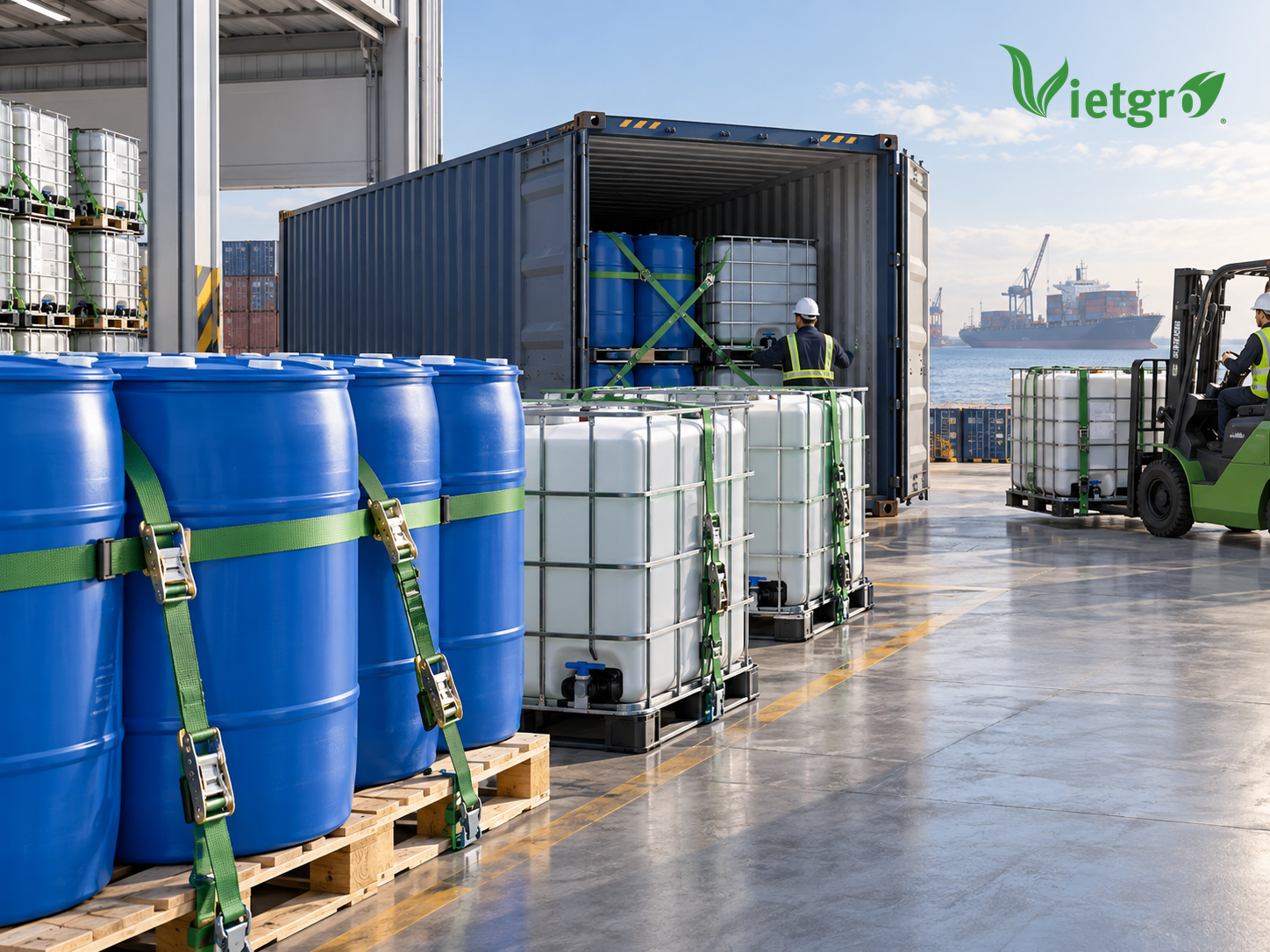
Transporting industrial chemicals across international sea routes requires rigorous safety controls, strict regulatory adherence, and meticulous packing procedures. Unlike standard dry container cargo, chemical shipments face volatile maritime environments where shifts in temperature, humidity, and vessel motion can compromise cargo stability if containment protocols are not rigorously maintained.
For international buyers, distributors, and plant operators, managing these logistics risks is critical to maintaining operational continuity and avoiding costly customs rejections or port delays.
- Strict IMDG Classification and Cargo Segregation
The International Maritime Dangerous Goods (IMDG) Code establishes clear legal frameworks for classifying, packing, and segregating hazardous substances. Importers must ensure that their export partner strictly audits chemical compatibility before container stuffing:
- Class Segregation: Incompatible chemicals, such as strong oxidizing agents and organic combustibles, must never share the same container space or adjacent stowage slots on board vessels.
- Proper Hazard Labeling: Every drum, intermediate bulk container (IBC), and outer carton must display weather-resistant GHS hazard pictograms and UN identification numbers visible from multiple angles.
- UN-Certified Packaging and Primary Containment Standards
Secondary protection cannot compensate for inadequate primary packaging. Chemical cargo integrity begins with industrial-grade containment solutions:
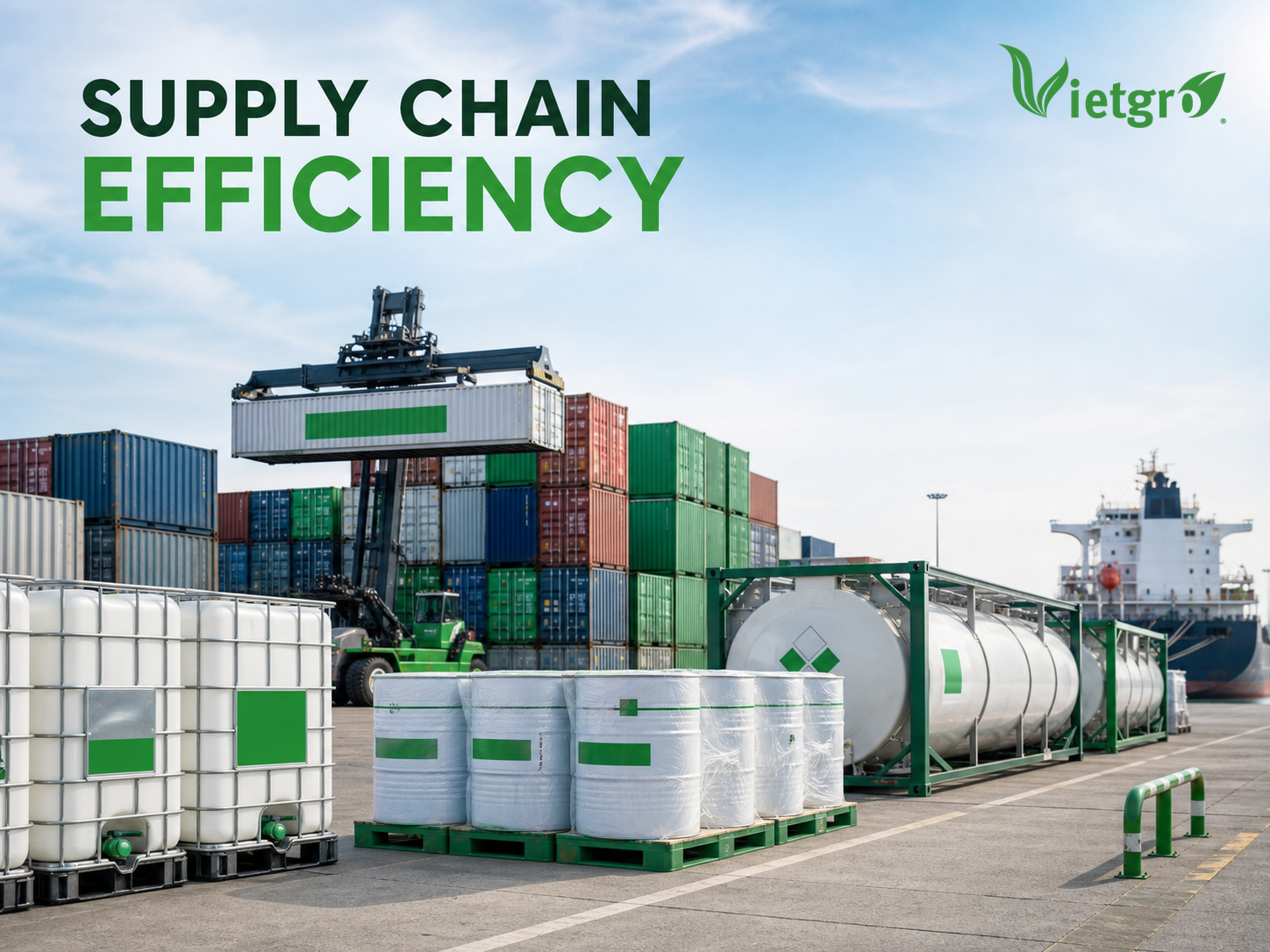
- UN-Rated Drums and Intermediate Bulk Containers: High-density polyethylene (HDPE) drums and steel-reinforced composite IBCs must undergo rigorous drop, hydrostatic, and pressure tests to guarantee leak-free transit under rough sea conditions.
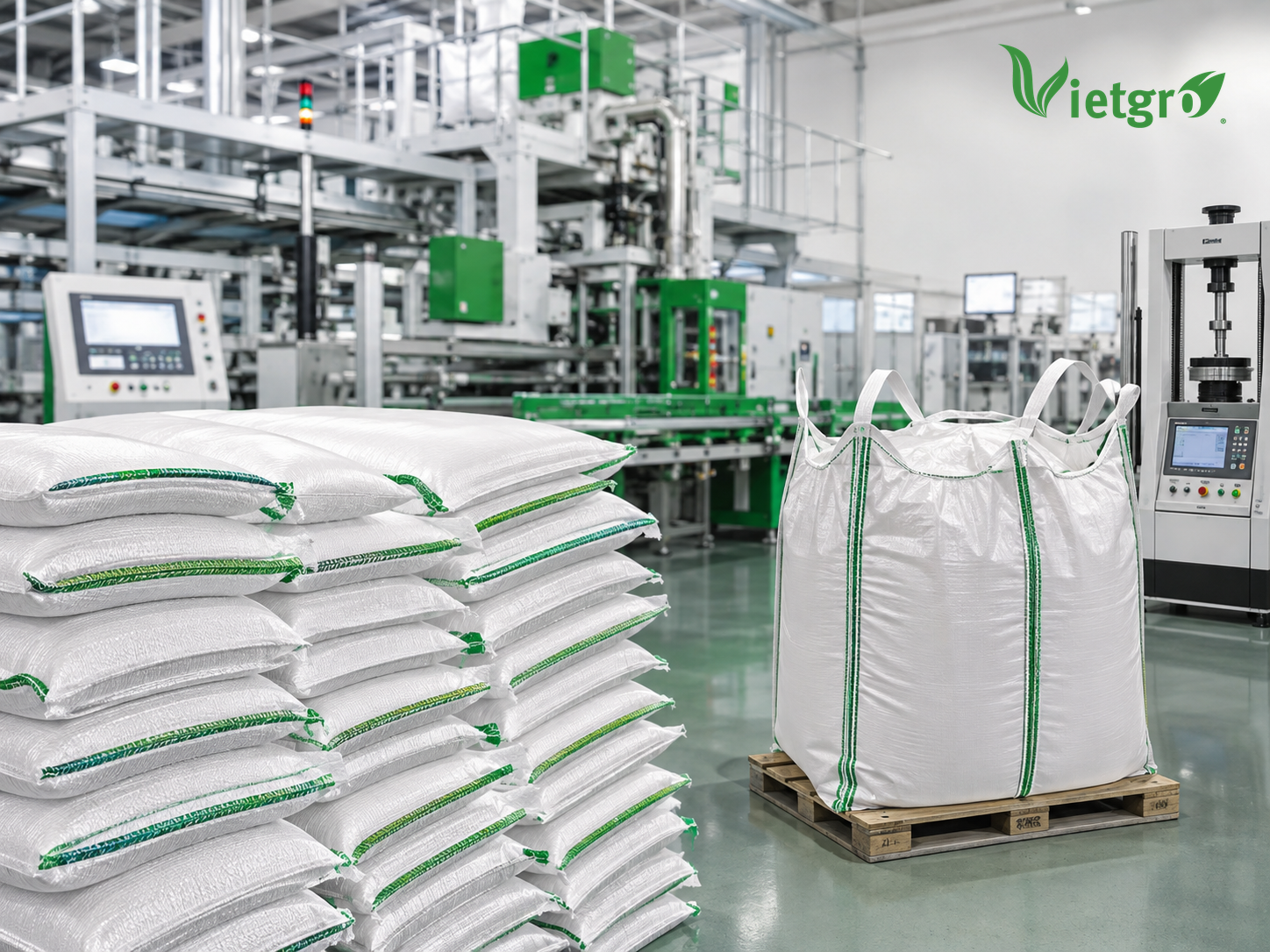
- High-Barrier Inner Liners: For moisture-sensitive crystalline or powdered chemicals, heavy-duty multiwall valve bags paired with multi-layer PE/Aluminum barrier liners prevent moisture ingress and premature chemical degradation.
- Container Inspection and Dynamic Load Restraint
Container stuffing for liquid or heavy dry chemicals requires specialized cargo securing protocols:
- Structural and Floorboard Audits: Containers must be thoroughly inspected for floorboard integrity, wall damage, watertight door gaskets, and zero residual chemical contaminants from previous voyages.
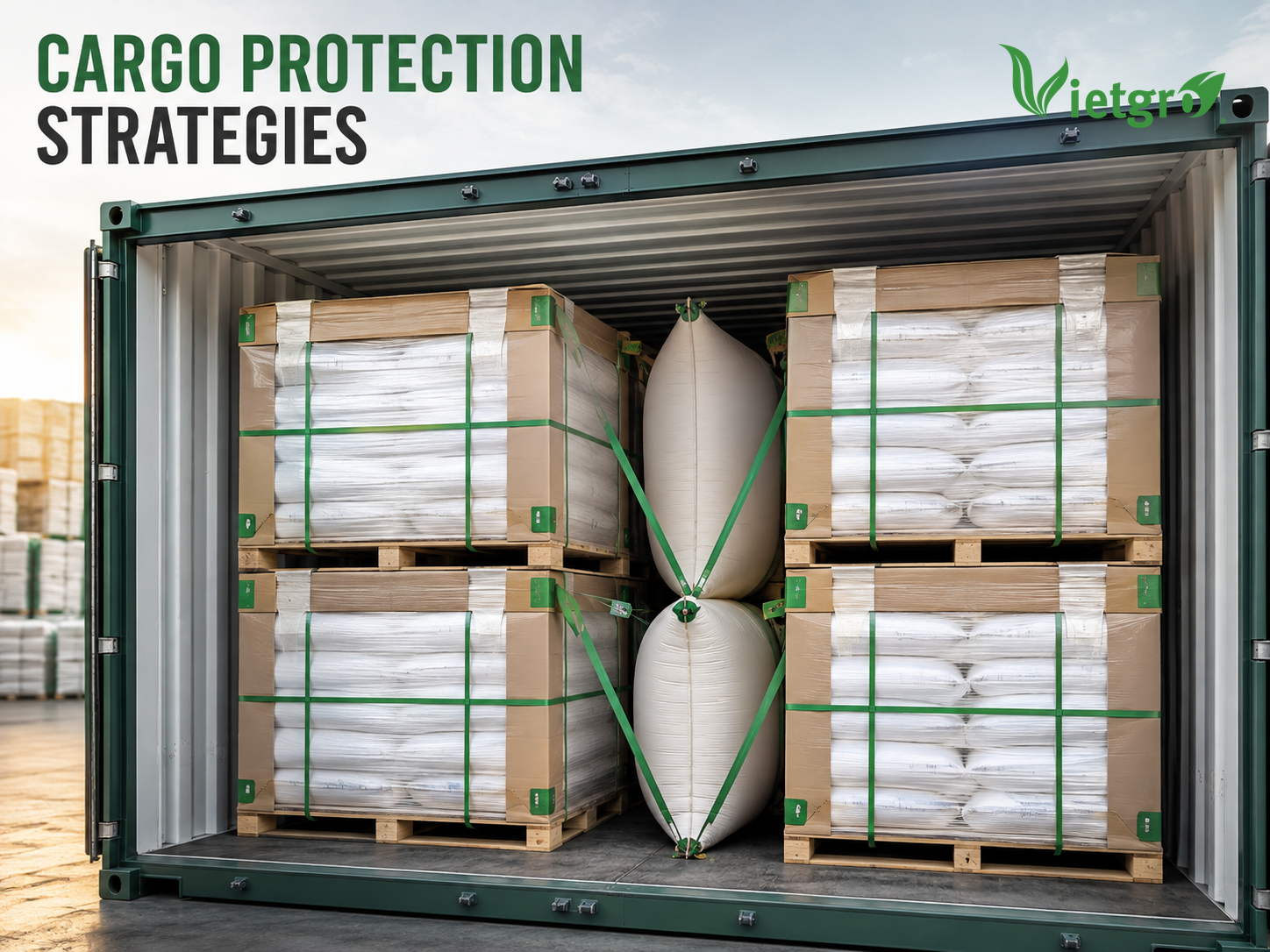
- Heavy-Duty Dunnage and Lashing: Palletized drums and IBC tanks must be secured with certified polyester composite strapping, heavy-duty corner boards, and industrial dunnage air bags to eliminate dynamic shifting during vessel pitching and rolling.
- Comprehensive Regulatory and Technical Documentation
Customs clearance speed depends directly on paperwork accuracy. Reliable chemical sourcing demands standardized, verifiable documentation:
- 16-Section Safety Data Sheets: Fully compliant GHS-format Safety Data Sheets (SDS) matching destination country language and regulatory requirements.
- Batch-Specific Certificates of Analysis (COA): Verifying key chemical assay percentages, moisture limits, and impurity thresholds against contractual specifications before release.
- Dangerous Goods Declaration (DGD): Accurate cargo manifest descriptions ensuring harbor master approvals and terminal clearance without delay.
The Vietgro Chemicals (VGC) Advantage
Through our integrated Export Management Company model, VIETGRO CHEMICALS manages every step of the chemical supply chain, from certified production sourcing and UN-compliant packaging to comprehensive port-side pre-shipment inspections.