
Preventing Caking And Degradation In Bulk Fertilizer Shipping: Technical Packaging and Storage Best Practices
October 1, 2026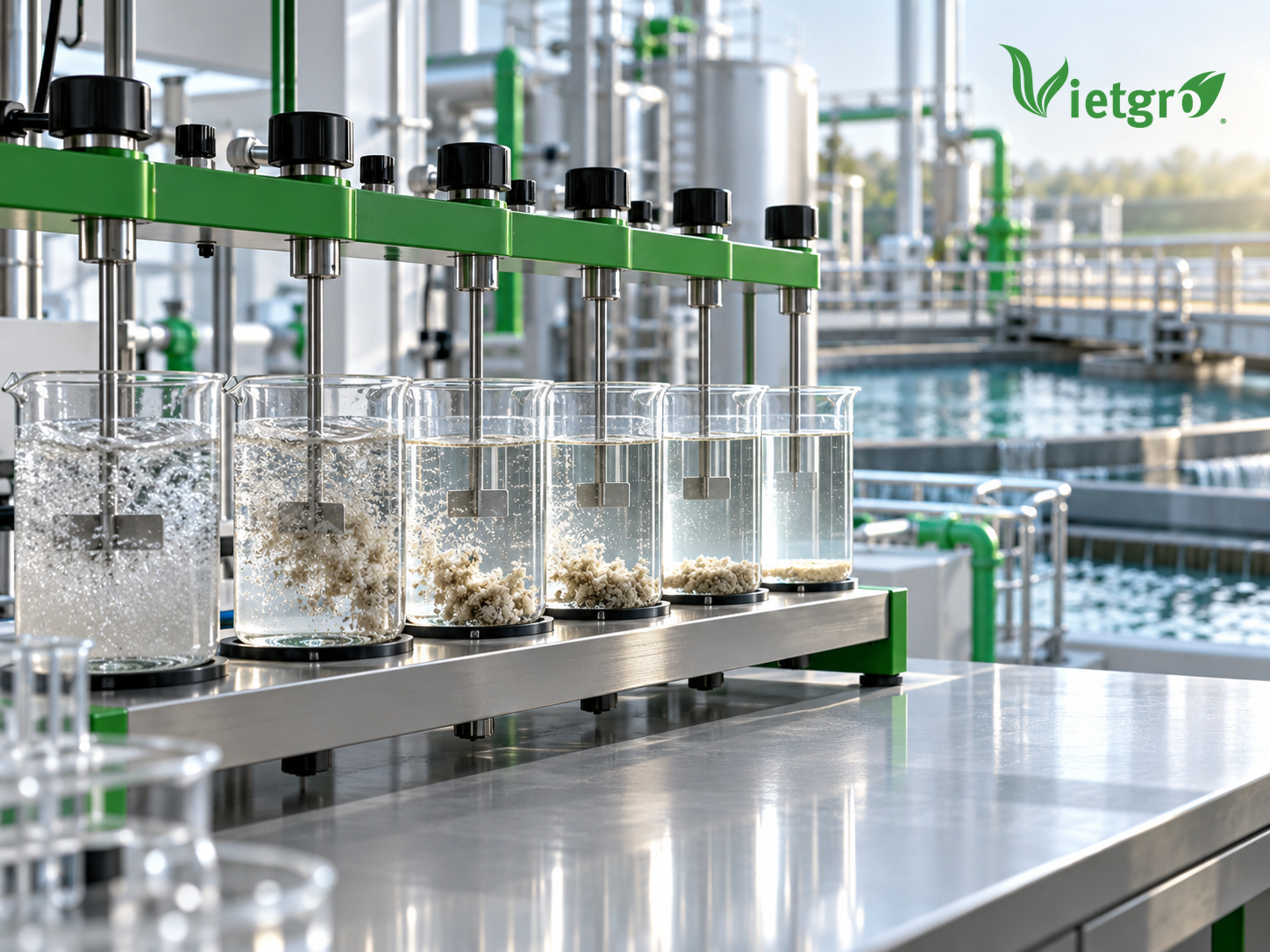
Industrial manufacturing facilities, textile mills, and municipal effluent plants face increasingly strict wastewater discharge standards. Efficient liquid-solid separation depends fundamentally on the optimization of two sequential chemical mechanisms: coagulation and flocculation. Selecting the correct coagulant chemistries and polymer flocculants directly determines settling velocity, sludge volume generation, and operational compliance costs.
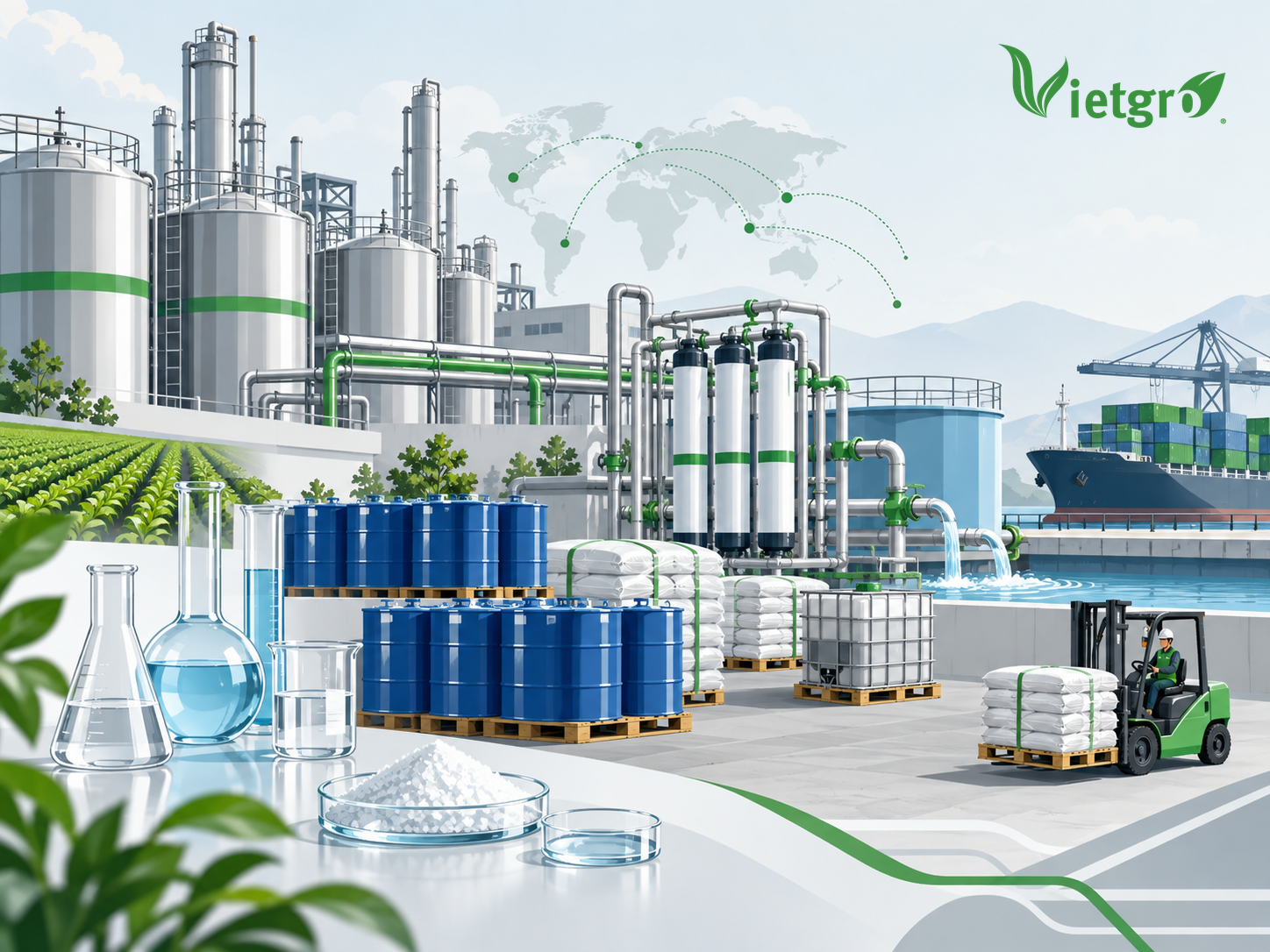
Vietgro Chemicals (VGC), under the Vietgro Export Management Company (EMC) model, supplies high-purity industrial water treatment chemicals engineered for demanding effluent treatment operations across Southeast and South Asia.
- Coagulation Chemistry: Polyaluminium Chloride (PAC) versus Traditional Alum
Suspended colloidal particles in raw wastewater carry negative surface electrical charges that prevent them from aggregating. Coagulation neutralizes these repulsive charges, allowing fine particles to combine into micro-flocs:
- Mechanism: Trivalent metal cations destabilize negatively charged colloidal suspensions through electrical double-layer compression and charge neutralization.
- The Advantage of Polyaluminium Chloride (PAC): Unlike traditional Aluminium Sulphate (Alum), high-purity PAC features pre-hydrolyzed polymeric aluminium species. This provides a significantly wider operational PH window, reduces alkalinity consumption, accelerates floc formation at lower water temperatures, and produces substantially lower chemical sludge volumes.
- Iron-Based Coagulants: Ferric Chloride and Ferrous Sulphate serve as robust alternatives in heavy industrial applications, particularly for hydrogen sulphide odor control and heavy metal co-precipitation.
- Flocculation Dynamics: Polyacrylamide Polymer Bridging
Once micro-flocs form, flocculation agents aggregate these pin-point structures into large, fast-settling macroscopic flocs:
- Anionic Polyacrylamide (APAM): Ideal for treating inorganic mineral suspensions, metallurgical effluent, and industrial wash water where positively charged micro-flocs require rapid inter-particle bridging.
- Cationic Polyacrylamide (CPAM): Highly effective for organic sludge dewatering in municipal sewage plants, paper mills, and food processing facilities, neutralizing negative sludge charges while binding cellular bound water.
- Non-Ionic Polyacrylamide (NPAM): Applied in selective mineral separation and acidic process water where electrostatic charges are minimal.
- Sourcing Certified Water Treatment Compounds with Vietgro Chemicals
Achieving dependable effluent clarity requires batch-consistent active chemical content and dependable international supply lines:
- Verified Technical Purity: Every batch of PAC, industrial polymers, and caustic neutralizing agents is supplied with a comprehensive Certificate of Analysis (COA) verifying active aluminium content, basicity, and molecular weight distribution.
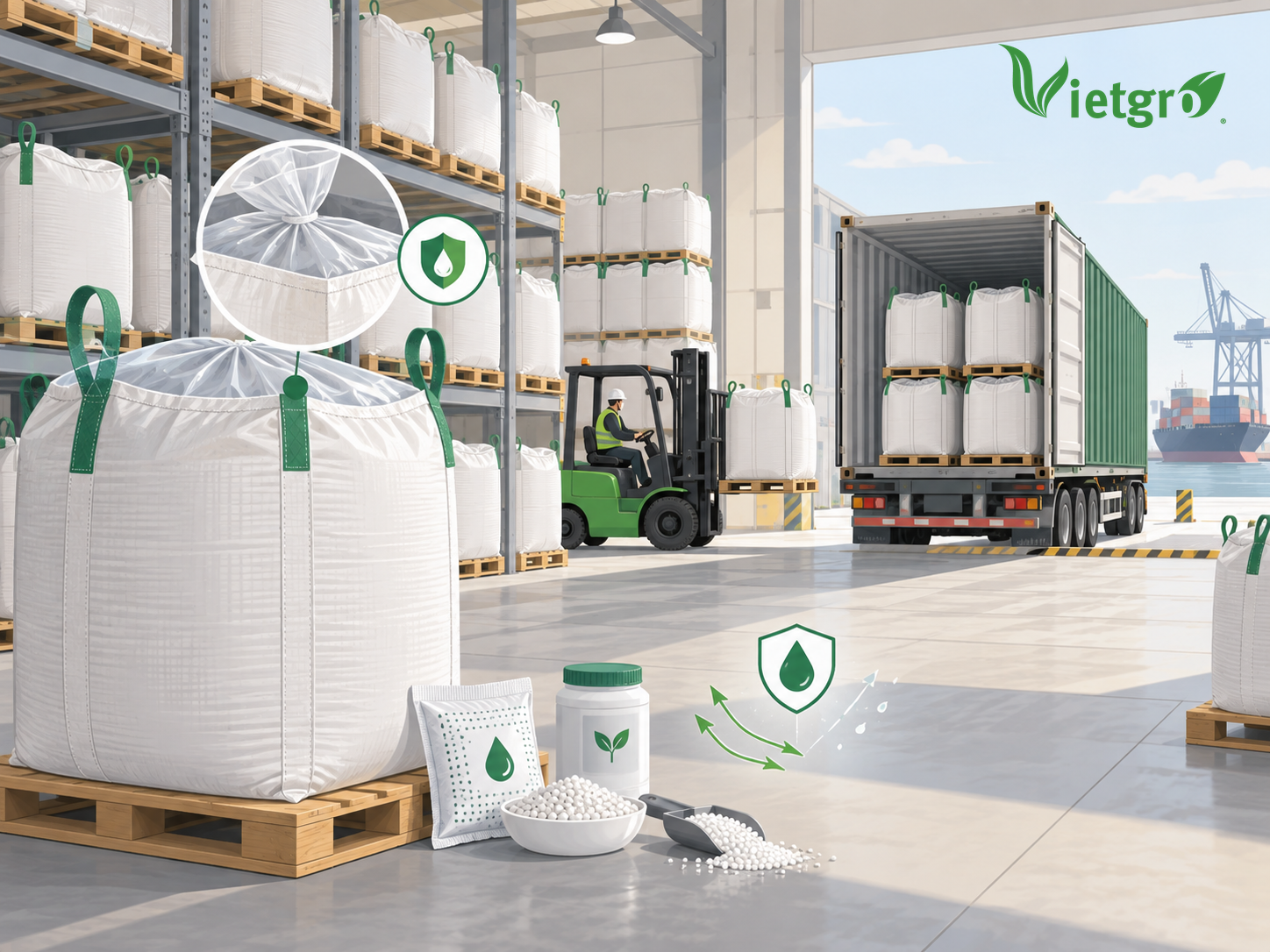
- Secure Industrial Packaging: Moisture-impermeable 25kg multi-wall bags with sealed PE inner liners and heavy-duty IBC totes engineered for long ocean voyages and humid regional storage.
Explore our full industrial water treatment chemical portfolio and technical data sheets by visiting our chemical portal.
Visit our specialized chemical platform: vgchem.com